What looks like a simple plastic component often represents thousands of engineering decisions.
Injection molding remains the dominant manufacturing process for producing plastic components, but the finished part tells only a fraction of the story.
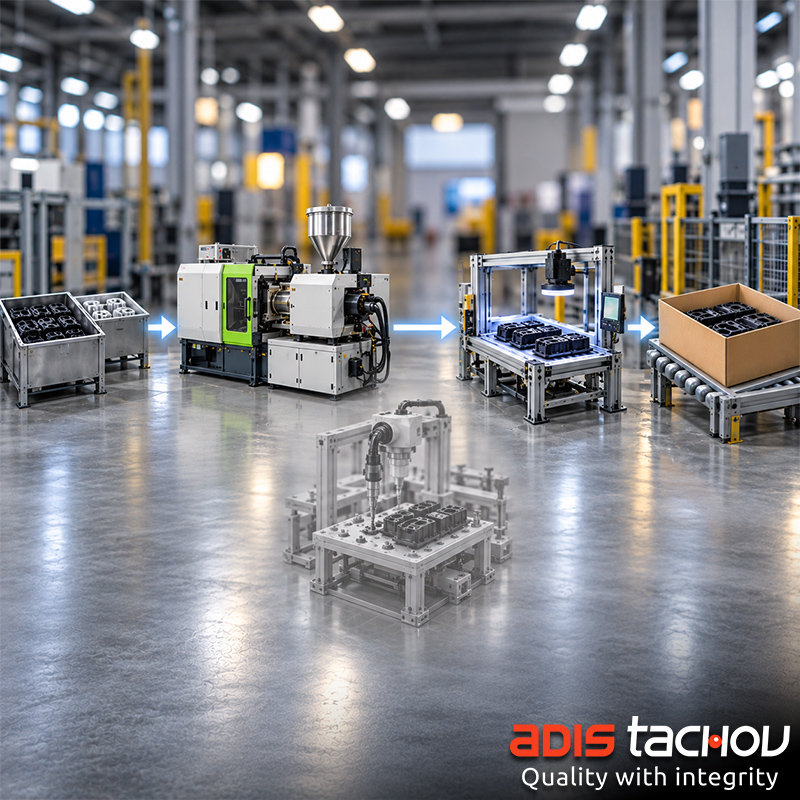
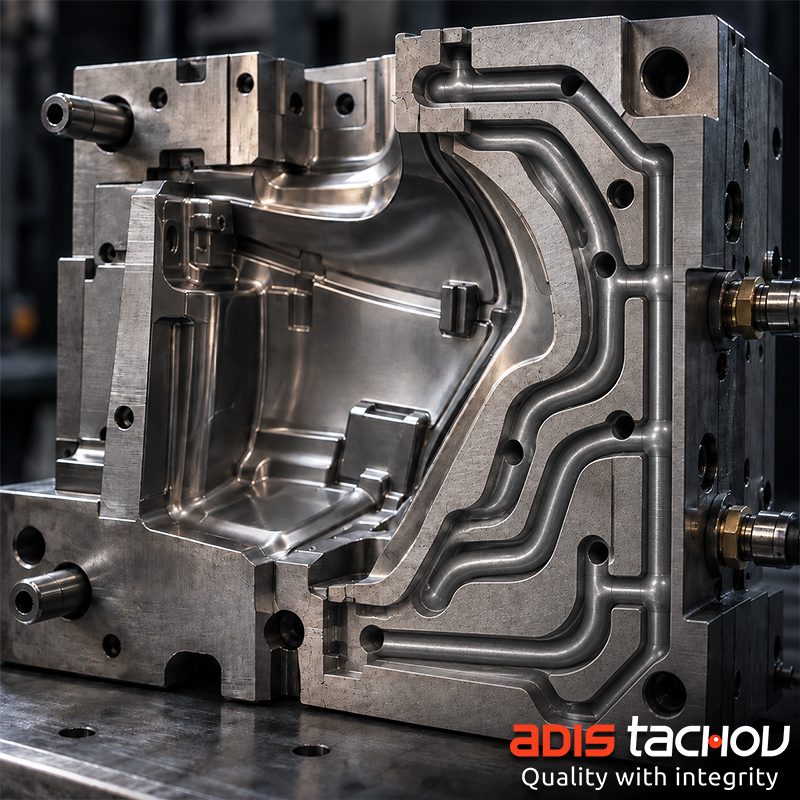
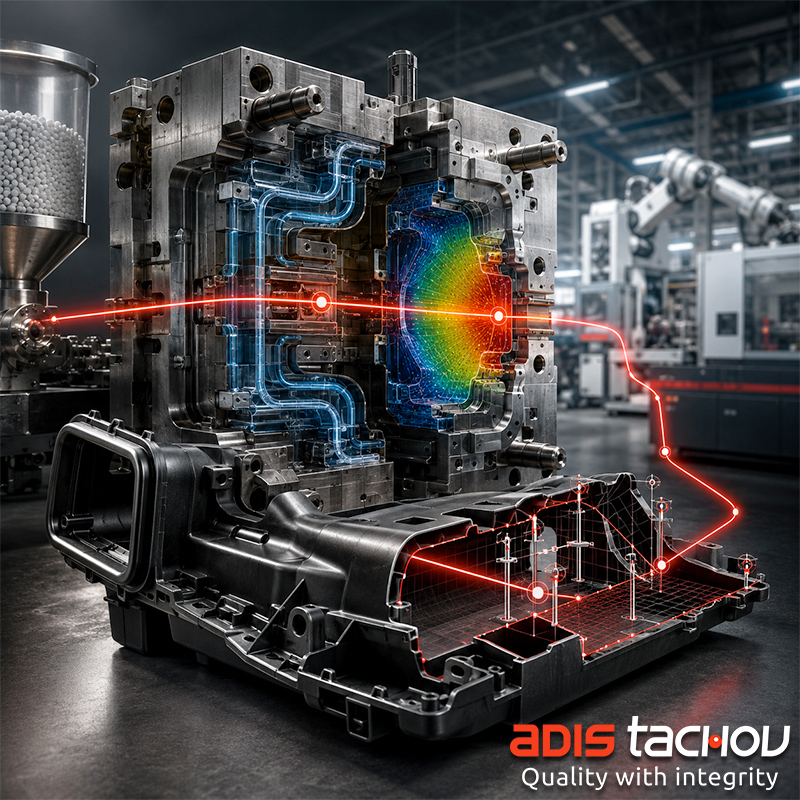
Behind every successful molding program lies a complex network of engineering decisions, process controls, and manufacturing expertise working together to deliver consistent results. Material selection, mold design, cooling efficiency, flow behavior, process stability, quality control, automation, and traceability all play a role in determining whether a component performs exactly as intended.
That's why leading manufacturers increasingly rely on advanced engineering tools, simulation technologies, real-time process monitoring, automated inspection systems, and data-driven decision making to optimize production. Improving and maintaining a high-performing manufacturing process requires a systematic approach built on data, engineering expertise, and continuous improvement.
At ADIS Tachov s.r.o., this means combining robust quality management systems with advanced engineering tools, real-time process monitoring, traceability, automation, and proven process optimization methodologies. By analyzing production holistically and making decisions based on measurable data, we continuously work to reduce variation, improve efficiency, enhance product quality, and deliver reliable results for its customers.
For companies developing new products or strengthening their supply chains, manufacturing success begins long before the first part leaves the mold. It starts with the systems, expertise, and engineering disciplines that make consistent quality possible.
Which hidden aspect of manufacturing do you believe has the greatest impact on part quality: material selection, mold design, process control, or quality validation?