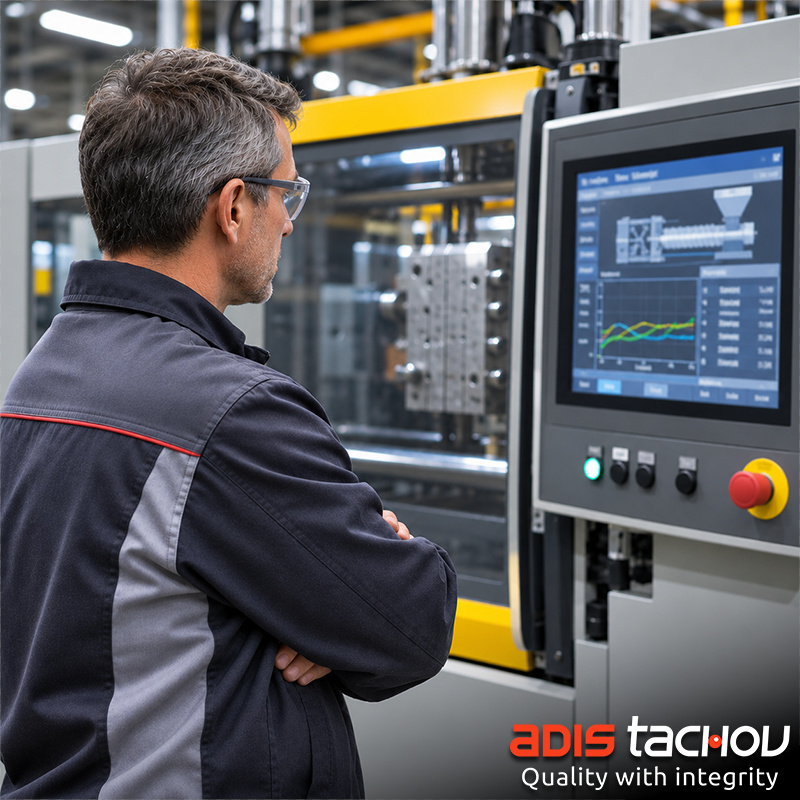
A good operator can make even a difficult process look easy.
Experienced production teams have a knack for noticing when something isn't quite right. They pick up on subtle changes, anticipate potential problems, and often know when a process needs attention before the numbers tell the whole story.
That kind of experience is incredibly valuable. But there's a downside we don't always talk about.
A process can consistently produce parts within specification, with solid capability figures to back it up, while still depending heavily on the people running it.
Over time, small adjustments become second nature. Workarounds become routine. And as long as production keeps running smoothly, nobody has much reason to question it.
But is all that experience making a good process even better, or is it quietly compensating for problems that haven't really been solved?
At ADIS Tachov s.r.o., we see this as an important part of understanding process stability. Capability data tells us a lot, but there's also value in seeing how a process holds up across different shifts, material batches, and everyday production changes.
After all, experienced people should be able to spend their expertise improving a process, rather than constantly compensating for its weaknesses.